Recommended Books
Psychiatry
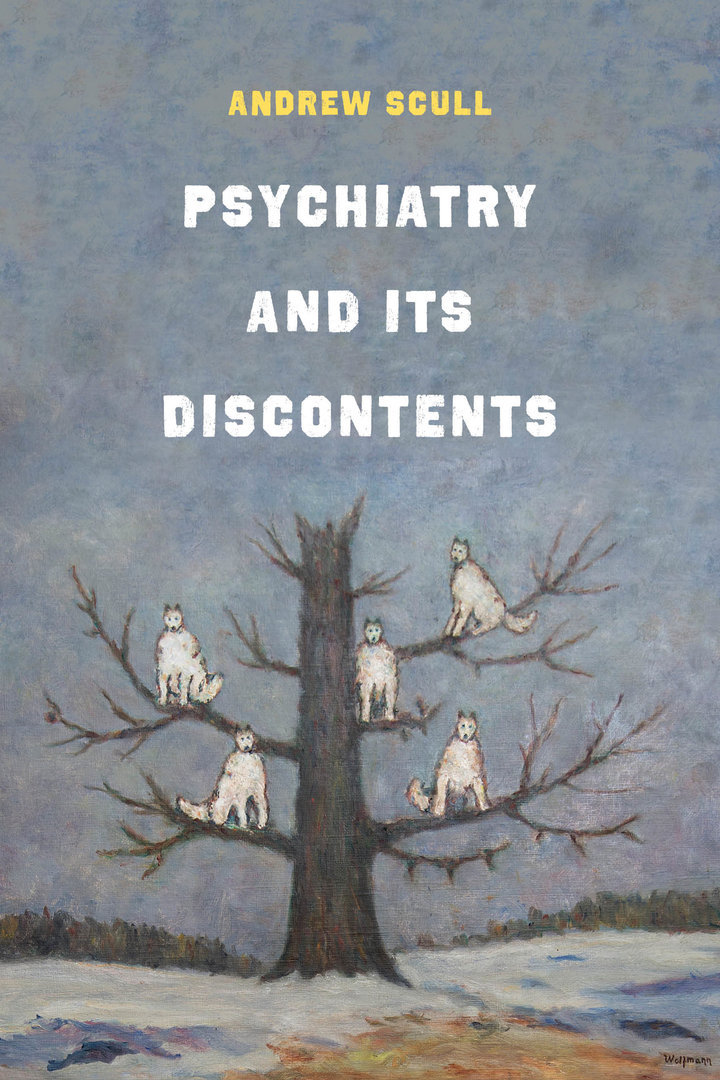
Psychiatry and its Discontents by Andrew Skull
Written by one of the most distinguished historians of psychiatry, Andrew Scull provides a wide-ranging and critical account of how modern psychiatry has developed.
The book traces the evolution of the field—from the dominance of psychoanalytic thinking in the mid-20th century, through to its decline, and the subsequent rise of biological psychiatry and pharmaceutical treatments. It is, in many ways, a history of shifting paradigms, each claiming authority over the understanding and treatment of mental illness.
What emerges is not a neat story of progress, but a more complex and, at times, uneasy picture of a profession shaped as much by cultural, institutional, and economic forces as by scientific discovery.
One of the central concerns raised is the move away from a psychosocial understanding of patients towards an increasingly narrow focus on diagnosis and medication. While biological approaches have an important role, their dominance risks oversimplifying human distress.
In my own practice, this is a shift I view with caution. An over-reliance on medication, at the expense of understanding the individual in their wider context, can lead to a form of treatment that is technically efficient, but ultimately limited.
The strength of this book lies in its ability to step back from current assumptions and ask a more fundamental question:
What kind of psychiatry are we practising—and what might be lost along the way?
Dr J S Grewal, Consultant Psychiatrist
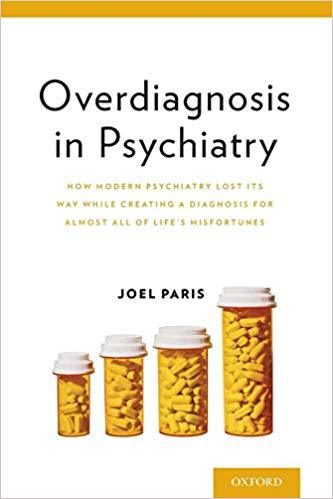
Overdiagnosis in Psychiatry by Joel Paris
Joel Paris examines a growing concern within modern psychiatry: the tendency to expand diagnostic boundaries beyond what is clinically helpful.
The book explores how normal variations in mood, personality, and behaviour can increasingly be drawn into the realm of psychiatric diagnosis. This process is often driven by a combination of factors, including changes in diagnostic criteria, cultural expectations, and the influence of the pharmaceutical industry.
A central argument is that overdiagnosis carries real consequences. Labels can shape how individuals understand themselves, influence treatment decisions, and lead to unnecessary or prolonged use of medication.
Paris does not dismiss the reality of severe mental illness. Rather, he argues for greater restraint and clinical judgement—recognising that not all distress requires a diagnosis, and not all diagnosis requires medical treatment.
This is a perspective I find important in everyday practice. Psychiatry is at its strongest when it maintains a clear distinction between disorder and difficulty, and when it avoids the impulse to medicalise every form of human suffering.
The challenge is not simply to diagnose more accurately, but to diagnose more carefully—and, at times, to recognise when diagnosis itself may not be the most helpful approach.
Dr Jas Grewal, Consultant Psychiatrist
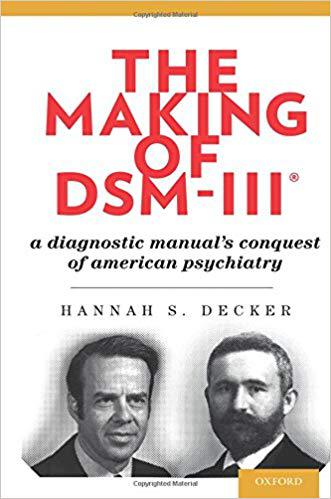
The Making of DSM-III by Dr H Decker
Hannah S. Decker provides a detailed and revealing account of how the third edition of the Diagnostic and Statistical Manual of Mental Disorders (DSM-III) came into being.
DSM-III marked a major turning point in psychiatry. It moved the field away from the more interpretive, psychoanalytic models that had previously dominated, towards a system based on descriptive diagnosis—categorising disorders according to observable symptoms rather than underlying meaning.
This shift brought greater consistency and reliability to diagnosis. However, it also changed the nature of psychiatric practice. The focus moved towards classification, checklists, and standardisation—sometimes at the expense of a deeper understanding of the individual.
Decker’s account makes clear that this was not simply a scientific development. The creation of DSM-III was shaped by professional debates, institutional pressures, and the need for psychiatry to establish itself as a more clearly defined medical discipline.
In practice, the legacy of DSM-III is still very much with us. Diagnostic systems provide a useful framework, but they can also encourage a more rigid, label-driven approach to mental health.
This is a tension that remains central to modern psychiatry:
The need for clear definitions and structure
balanced against the complexity and individuality of human experience

Eyebrows and Other Fish by Anthony Scally
Anthony Scally offers a thoughtful and often quietly provocative reflection on medicine, evidence, and the way in which professional thinking can become shaped by habit rather than careful judgement.
Through a series of essays, Scally examines how easily accepted ideas within healthcare can drift away from their original purpose. Practices become established, repeated, and rarely questioned—sometimes more out of convention than clear benefit.
The book does not present a single argument, but instead encourages a particular way of thinking: sceptical, reflective, and willing to re-examine what is often taken for granted.
For psychiatry, this has clear relevance. It is a field where definitions, diagnoses, and treatments can become fixed, even when the underlying evidence or assumptions are more uncertain than they appear.
What I value in this book is its tone. It avoids polemic, instead inviting the reader to think more carefully about how and why decisions are made in clinical practice.
Not everything that is widely accepted is necessarily well understood.
A useful reminder that good clinical work requires not only knowledge, but a willingness to question it.
Dr J S Grewal, Consultant Psychiatrist
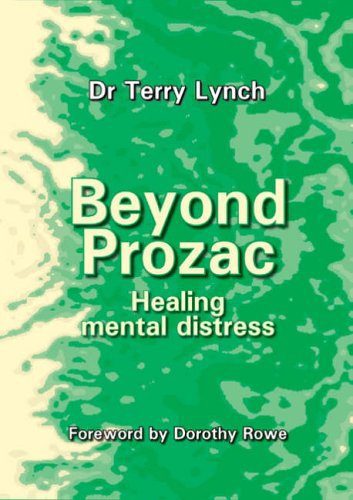
Beyond Prozac by Dr Terry Lynch
Terry Lynch offers a critique of the increasing reliance on antidepressant medication in the treatment of emotional distress.
The book questions the assumption that depression is primarily a biological condition requiring pharmacological treatment. Instead, Lynch emphasises the role of life experience, personality, and psychological patterns in shaping how distress develops and persists.
A central concern is that medication can, at times, become a default response—offered quickly, and continued for long periods, without sufficient exploration of underlying causes. While antidepressants can be helpful in certain situations, their use is not without limitations.
The broader message is that understanding a person’s history, relationships, and way of coping is often essential. Without this, treatment risks addressing symptoms without fully addressing what is driving them.
This perspective aligns with a more cautious and considered approach to prescribing. Medication has a role, but it is only one part of a wider process that should include careful assessment and psychological understanding.
Treatment is most effective when it moves beyond symptoms, towards understanding the person as a whole.
Dr Jas Grewal, Consultant Psychiatrist
Alcoholism/Addiction

Overcoming Alcohol Misuse by Conor Farren
Conor Farren provides a clear and structured guide to understanding and overcoming alcohol misuse.
The book takes a practical approach. It outlines how patterns of drinking develop, how they are maintained, and—importantly—how they can be changed. There is a strong emphasis on recognising triggers, understanding habits, and developing alternative ways of coping.
What is particularly useful is its focus on manageable steps. Rather than abstract theory, the book offers a framework that individuals can apply in everyday life.
From a clinical perspective, this reflects an important principle: lasting change tends to come from consistent, practical adjustments rather than sudden insight alone.
The book also acknowledges that alcohol often serves a function—whether in managing anxiety, aiding sleep, or coping with stress. Addressing misuse therefore requires more than simply stopping drinking; it involves understanding what alcohol is doing, and finding other ways to meet those needs.
Change is not just about removing alcohol, but about replacing what it was doing.

Alcohol: The World's Favourite Drug by Prof Griffith Edwards
Griffith Edwards, one of the most influential figures in modern addiction psychiatry, provides a clear and accessible account of alcohol and its place in society.
The book explores why alcohol holds such a central role across cultures, despite its well-recognised harms. It examines the balance between pleasure and risk, and the ways in which drinking can shift—often gradually—from social use to dependency.
A key strength of Edwards’ work is its clarity. He avoids both moralising and oversimplification, instead presenting alcohol use as a spectrum, shaped by individual vulnerability, social context, and learned behaviour.
From a clinical perspective, this is an important point. Alcohol problems rarely appear suddenly. They tend to develop over time, often unnoticed, becoming embedded in routines around sleep, stress, and daily functioning.
The book also highlights a central challenge in treatment: alcohol is both widely accepted and readily available. This makes change more complex than with many other substances.
Alcohol is familiar, socially endorsed, and often useful—until it isn’t.
For clinicians and patients alike, this is a valuable reminder that understanding alcohol use requires a balanced, realistic approach—one that recognises both its appeal and its potential for harm.
Dr Jas Grewal, Consultant Psychiatrist
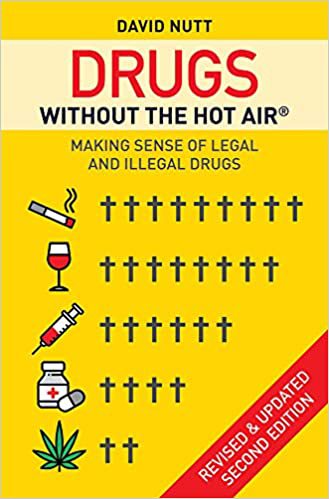
Drugs without the hot air by Prof David Nutt
Prof David Nutt presents a clear and evidence-based analysis of drugs, their effects, and the way society responds to them.
The book challenges many commonly held assumptions about drug use. It highlights the gap between scientific evidence and public policy, showing that the harms associated with different substances are often misunderstood or misrepresented.
A central theme is the need for a more rational approach—one that weighs actual risk rather than relying on cultural attitudes or historical precedent. Alcohol and tobacco, for example, are shown to carry significant harm, while some illegal substances are comparatively less harmful than widely assumed.
From a clinical perspective, this is an important corrective. Discussions around drugs can easily become moralised or polarised, which can obscure clear thinking and make meaningful change more difficult.
Nutt’s approach is grounded in data, but the implications are practical:
- Understanding risk more accurately
- Reducing stigma
- Supporting more informed decision-making
Good decisions require clear thinking—not assumptions.
For clinicians and patients alike, this is a useful reminder that effective treatment and policy should be guided by evidence rather than perception.
Dr Jas Grewal, Consultant Psychiatrist
Recovery/Spirituality
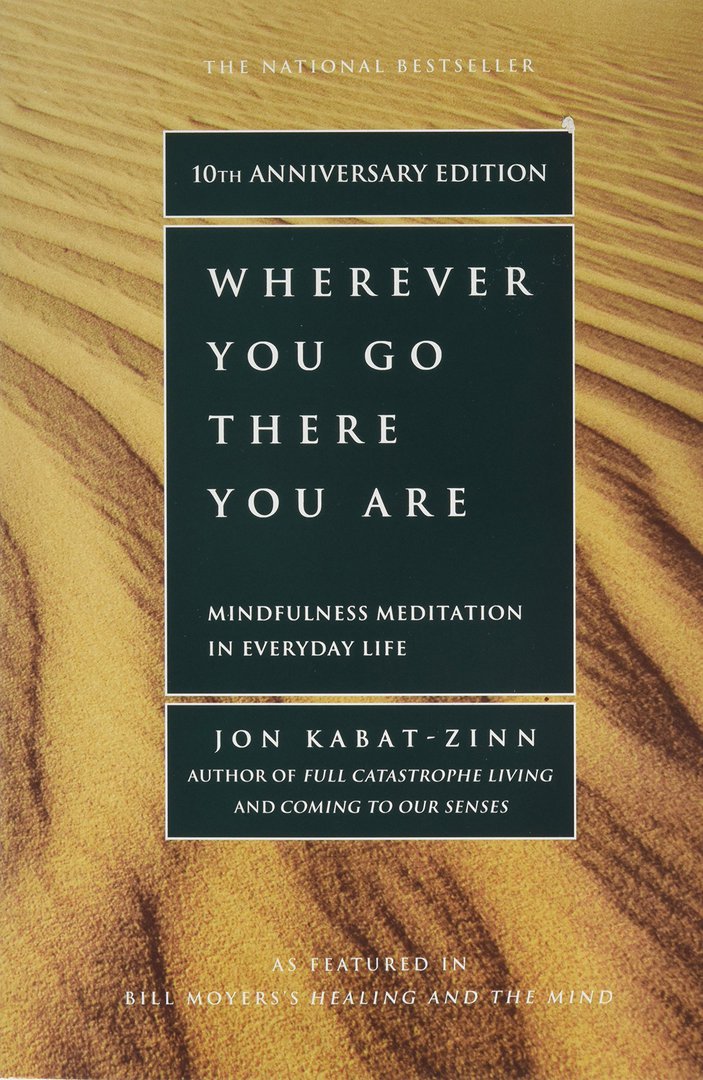
Wherever you go, There you are by Jon Kabatt-Zinn
Dr J S Grewal
Exploring principles and practices of mindfulness. Jon Kabat-Zinn has taught this Buddhist method of relaxation for over 20 years. Learn how to capture the present, to live fully in the moment and reduce anxiety, achieve inner peace, and enrich the quality of life. Let this be your guide to mindfulness meditation in everyday life.

Hector and the Search for Happiness by Francois Lelord
Dr J S Grewal
Can we learn how to be happy? Hector is a successful young psychiatrist. He's very good at treating patients with a psychotic illness. But many patients he sees have no psychiatric disorders: they are just deeply dissatisfied with their lives. Hector can't do much for them, and it's beginning to depress him. So, when a patient tells him he looks in need of a holiday, Hector decides to set off round the world to find out what makes people everywhere happy (and sad), and whether there is such a thing as the secret of true happiness...
Dr Jas Grewal, Consultant Psychiatrist

Waking Up by Sam Harris
Dr J S Grewal
Waking Up is part seeker’s memoir and part exploration of the scientific underpinnings of spirituality. No other book marries contemplative wisdom and modern science in this way, and no author other than Sam Harris—a scientist, philosopher, and famous sceptic—could write it.
Dr Jas Grewal, Consultant Psychiatrist
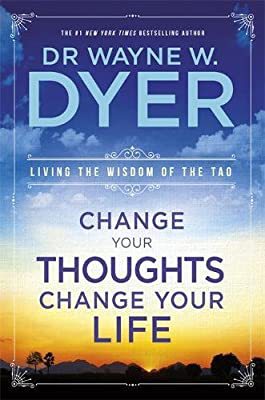
Change your thoughts, change your life
by Wayne Dyer
Dr J S Grewal
In this book, Dr Wayne W. Dyer has written 81 distinct essays on the "Tao Te Ching" and on how to apply the ancient wisdom of Lao Tzu to today's modern world. Each chapter is designed for actually living the Tao or the Great Way today.
Dr Jas Grewal, Consultant Psychiatrist
Psychotherapy
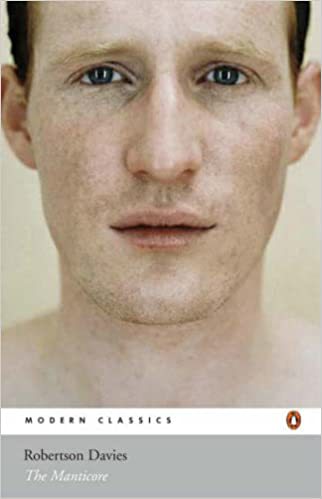
The Manticore by Robertson Davies
Dr J S Grewal
Published in 1972 this book describes the aftermath of the mysterious death of Percy Boyd "Boy" Staunton retold during a series of conversations between Staunton's son and a Jungian psychoanalyst.
Dr Jas Grewal, Consultant Psychiatrist
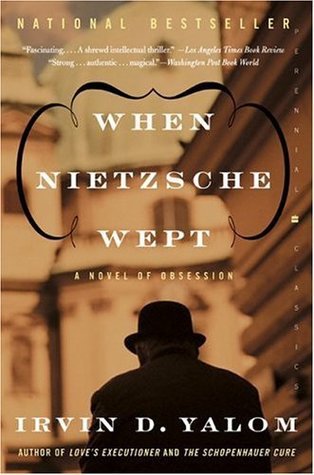
When Nietzche Wept by Irvin Yalom
Dr J S Grewal
The book takes place mostly in Vienna, Austria, in the year 1882, and relates a fictional meeting between the doctor Josef Breuer and the philosopher Friedrich Nietzsche. The novel is a review of the history of the philosophy and psychoanalysis and some of the main personalities of the last decades of the 19th century
 Print
Print 